Home » 2015 (Page 9)
Yearly Archives: 2015

General Election 2015: What do the parties say about IP? (IP – Hit or miss?)
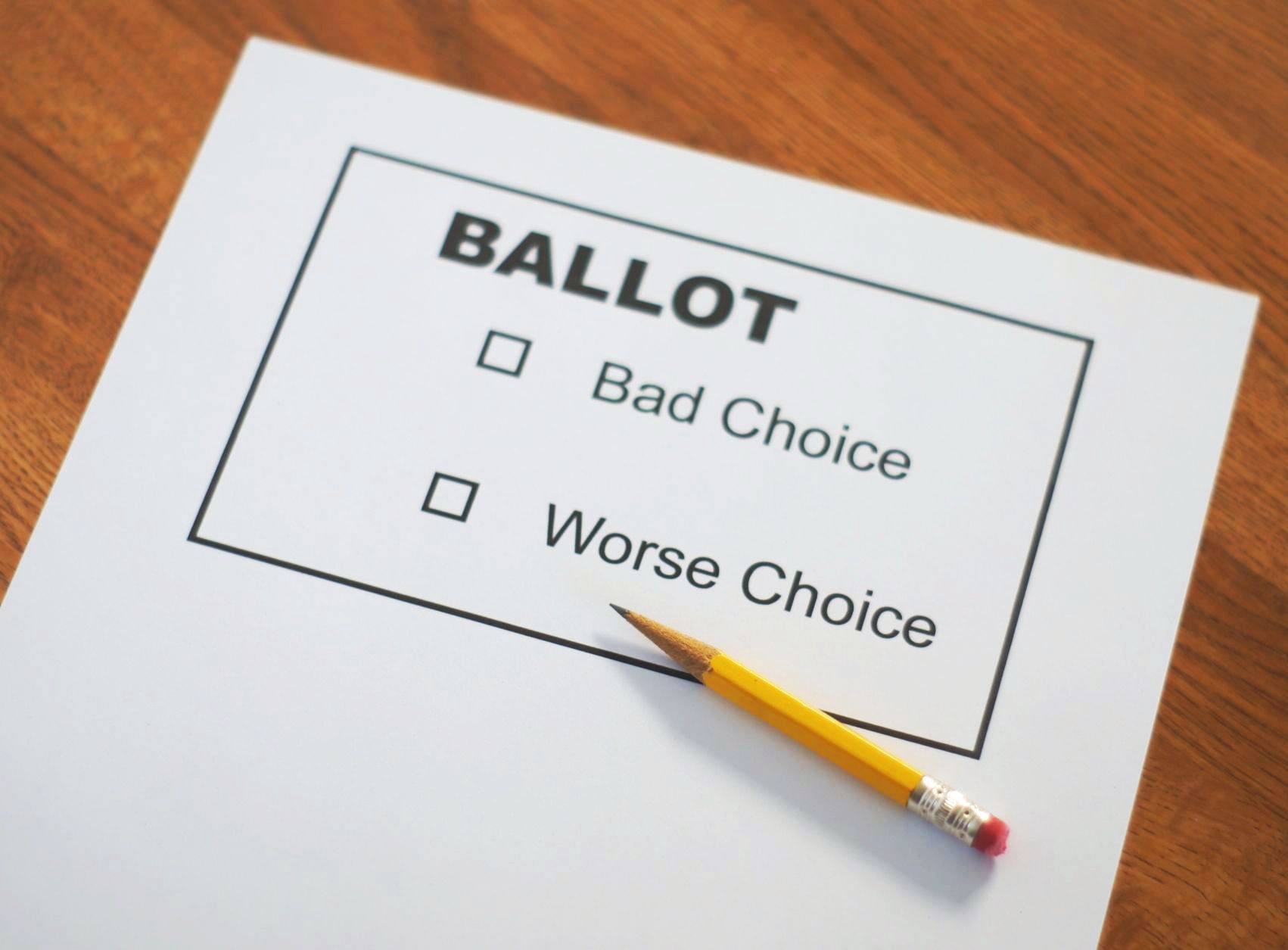 Still on the fence about the general election? Well, fear not as IPcopy is here to give you a run down on the most important policy area of them all. Yes, it’s time to look at what the parties have got to say about Intellectual Property.
Rather than subject ourselves to having to read the manifestos of the various parties (we’re not masochists you know), IPcopy has located PDF copies of the manifestos for the Conservatives, Labour, the Liberal Democrats, UKIP, Plaid Cymru, the Green Party and the SNP and has performed a word search for any of the following terms: patent, trade mark (or trademark), design (IP related design references only), copyright, intellectual property.
So, here we go…. (more…)
A Lawyer at Man Utd: Patrick Stewart on His Career in Football

Left to right: Sean Cummings, Patrick Stewart and Colin Carroll
On Tuesday night Keltie hosted and sponsored a presentation by Patrick Stewart, Director of Legal & Business Affairs at Manchester United. The event was organised by LBDC (‘Lawyers Business Development Club’) and brilliantly introduced by LBDC’s CEO Colin Carroll and Keltie Partner, Sean Cummings. We had a full house and were sorry that several interested people could not get a place. However, for those who could not attend and as a memo for those who could, here is a brief account of the talk, that leaves out the witty anecdotes (sorry, I know it’s those you are after, but I don’t think it’s fair to publish them on a blog). (more…)
Are You Protecting Your Most Valuable Assets? An Introduction to Intellectual Property
 Over the next couple of weeks, IPcopy will be republishing some general introduction to IP articles that we prepared to present some topics, facts and issues from the area of intellectual property law for people who have had little or no contact with intellectual property. The articles are designed as (brief) primers to highlight some particular elements of the subject area.
Intellectual property (IP) can sometimes be overlooked. Intellectual assets are not tangible and, as such, can be difficult to value. Often, they are not taken into consideration properly when assessing the worth of a business. However, these assets can be the most important to a business, contributing significantly to its goodwill and reputation, and need to be protected properly. (more…)
UPC updates: Judgment Day for Spain & confusing communications from the EU Commission
 A couple of unitary patent snippets today comprising news of Judgment Day in the CJEU for Spain and a confusing European Commission communication. (more…)
UPC Update: UK Purdah and a Belgian challenge
 The UK election is on its way (in case you hadn’t noticed) and while Dave, Ed, Nick and Nigel battle it out, UK government civil servants are now in the period of purdah. During purdah, which is the period between the calling of a General Election and the General Election, rules apply which limit what can be said and done in public by civil servants to ensure they are impartial during the election process. As a result the UK UPC Taskforce is likely to be fairly quiet until after 7 May 2015.
Before they went into this period of restricted communication however, the UK UPC Taskforce issued another UPC update, the main points of which are noted below. Also highlighted below is a challenge against the ratification of the UPC Agreement in Belgium (Note: Belgium ratified the UPC agreement on 6 June 2014). (more…)
The UPC and Patent Litigation at the High Court and the IPEC
 Published recently on the UKIPO website is a report examining the number of patent cases at both the UK High Court and the Intellectual Property Enterprise Court in the period 2007-2013.
The High Court and IPEC of course both currently have jurisdictions over matters relating to UK patents granted by the UKIPO and EP patents validated in the UK. The introduction of the Unified Patent Court may impact the number of EP(UK) patents that are handled by these two venues and the UKIPO report attempts to quantify the number of cases that have been filed at the High Court and IPEC. (more…)
UPC Court Delivers Swift Justice
 On 2nd April 2015 we saw, for the first time, an approximation of the Unified Patent Court (UPC) in action during an excellent live-from-Paris webinarized event set up by a plethora of French IP institutions. Indeed, the sheer number of acronymical institutions (thirteen!) representing the interests of the French IP industry was almost as impressive as the high quality of the broadcast itself. (more…)
Non-traditional Trade Marks in Sports – An EU Perspective

By Manuela Macchi written for and published by LawInSport.com on the 1 April 2015. View the original article here.

Trade marks in sport are commonly constituted of word or logo marks like ‘MANCHESTER UNITED’ or Nike’s famous ‘swoosh’ logo .
Registered protection of trade marks is the safest and most cost efficient way of obtaining an easily enforceable trade mark right. Whilst some jurisdictions like the UK afford protection to non-registered trade marks that have acquired goodwill through their use, the enforcement of these non-registered rights relies on the expensive and time consuming exercise of evidence gathering in relation to the use of the mark, whereas a trade mark registration certificate is prima facie evidence of the existence of the associated right.
In recent years, the sports industry has seen a growing number of registrations and attempted registrations of marks that differ from what is considered the more traditional words and logos (as above), which can be broadly categorised as “non-traditional” or “unusual” trademarks. This article takes a trip through examples of such non-traditional trademarks, and explores the protection that sports brands can achieve from their registration, a process that, in the author’s opinion, remains underutilised despite the potential that registration offers to an industry that increasingly relies on the exploitation of Intellectual Property (IP) and IP related rights. (more…)
US Patents – Eligible Subject Matter – Top Tips for Prosecution (Finnegan Review Seminar)
One of the sessions at the recent Finnegan Patent Case Law covered the issue of patent eligible subject matter and the recent Interim Guidelines for Examination at the USPTO (more detail on which can be found in IPcopy’s earlier post here).
The session again highlighted the divergence in two of the Interim Guidelines examples between what might be expected in Europe and the position stated in the Guidelines (see Examples 2 and 5 in the previous IPcopy post). Also discussed in this session were some top tips to bear in mind when prosecuting software subject matter in the US. (more…)
 IPcopy