Restaurants, Bars, Hospitality Businesses and Trademarks – Top Tips
 IPcopy is pleased to welcome guest contributor Stacey C. Friends, Partner at Boston firm Ruberto Israel Weiner, who provides useful tips on trade mark protection for restaurant names and hospitality businesses in general, based on her extensive experience in advising individual restaurants as well as small, medium and large restaurant chains in the USA. The article is reproduced with the kind permission of the author. Keltie’s Manuela Macchi has added comments drawing a parallel with the UK and EU.
Retail, food and hospitality businesses often have more problematic trademark issues than other types of businesses due to their territorial nature. While software, consumer goods and many other businesses immediately function in interstate or international commerce, many restaurants, hotels, or retail stores start out doing business in one geographic location. Sometimes the business plan includes a strategy to expand or franchise, or perhaps the location of the business (e.g. a hotel in downtown Boston) naturally lends itself to national and international travelers and publicity.
Are these patents the key to the next revolution in 3D printing?
 In recent years, 3D printing has entered the mainstream lexicon, partly due to increased media coverage and partly because 3D printers are becoming more affordable and accessible. In particular, the rise of desktop 3D printers aimed at the domestic market such as the MakerBot Replicator and 3D Systems Cube have been a boon for hobbyists and early adopters. These printers are sold ready to use out of the box for simplicity compared to early affordable solutions which were self-assemble kits like the MakerGear Mosaic or the open source RepRap Mendel.
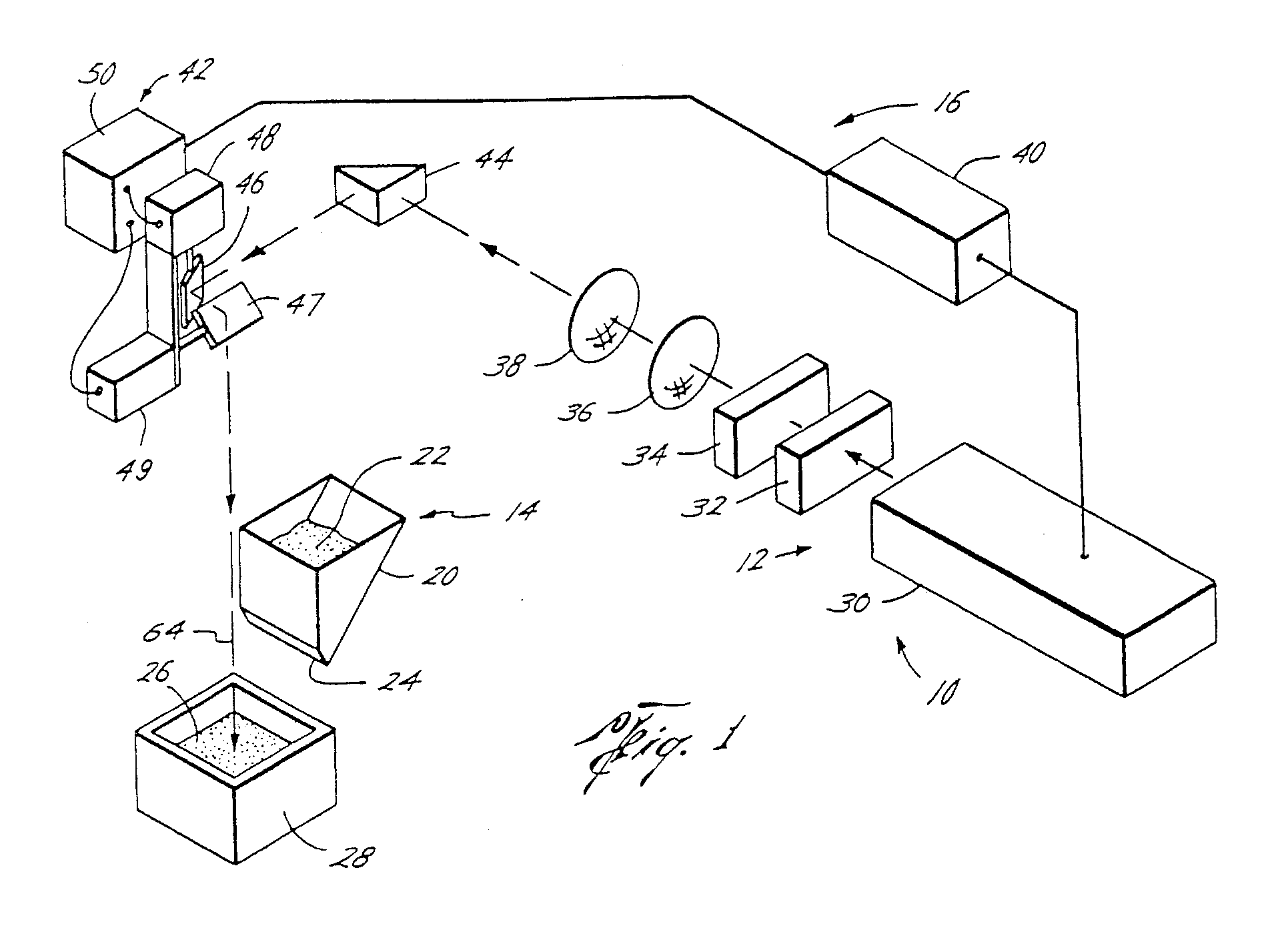
Typically, low cost domestic 3D printers, including those mentioned above, use an additive manufacturing technique called Fused Deposition Modelling (FDM) to create objects. FDM involves a heated nozzle extruding thermoplastic into successive layers to build up a desired object.
The McKinsey Global Institute, The Economist and Quartz, along with many others, cite the expiration of certain patents related to FDM in 2009 as enabling the recent proliferation of cheaper FDM 3D printers. They go on to anticipate that the expiration of key patents related to another additive manufacturing technique, selective laser sintering, in 2014 may lead to another step change in the field of 3D printing.
But what are these key patents that everyone’s talking about, and will they really make such a big impact?
Unitary patent package – Ratification update
 As noted on the Bristows website the French Senate launched, on 23 October 2013, a Bill authorising ratification of the Unified Patent Court Agreement. The Bill can be found here and contains an overview of the UPC system. The Bill has been flagged up under an accelerated procedure which presumably means France is pushing to be the first of the “required 3” countries to ratify the Agreement (the other two required countries are the UK and Germany).
The UK’s IP Bill is, of course, in the House of Commons where it is currently awaiting a date for its second reading. UK ratification is not expected until early 2015. If anyone knows the state of play in Germany then feel free to drop us a line or post a comment below!
Mark Richardson 1 November 2013
 IPcopy