
IPcopy writers
 ipcopy
 ipcopyamelia
 ipcopyaz
 ipcopyben
 ipcopydev
 ipcopyeleni
 ipcopyemily
 ipcopymanuela
 ipcopymark
 ipcopyrich
Keltie LLP

K2 IP Limited

Patent box and R&D tax credits – musings from a recent presentation

We’ve written a fair amount recently on IPcopy about the UK’s patent box regime and R&D tax credits. However a few weeks ago we were treated at Keltie to a great presentation from Kevin Phillips and Andy Nash from Baker Tilly on both subjects from which I’ve extracted the following points that caught my eye/ear.
IPcopy in Washington: AIPLA 2013
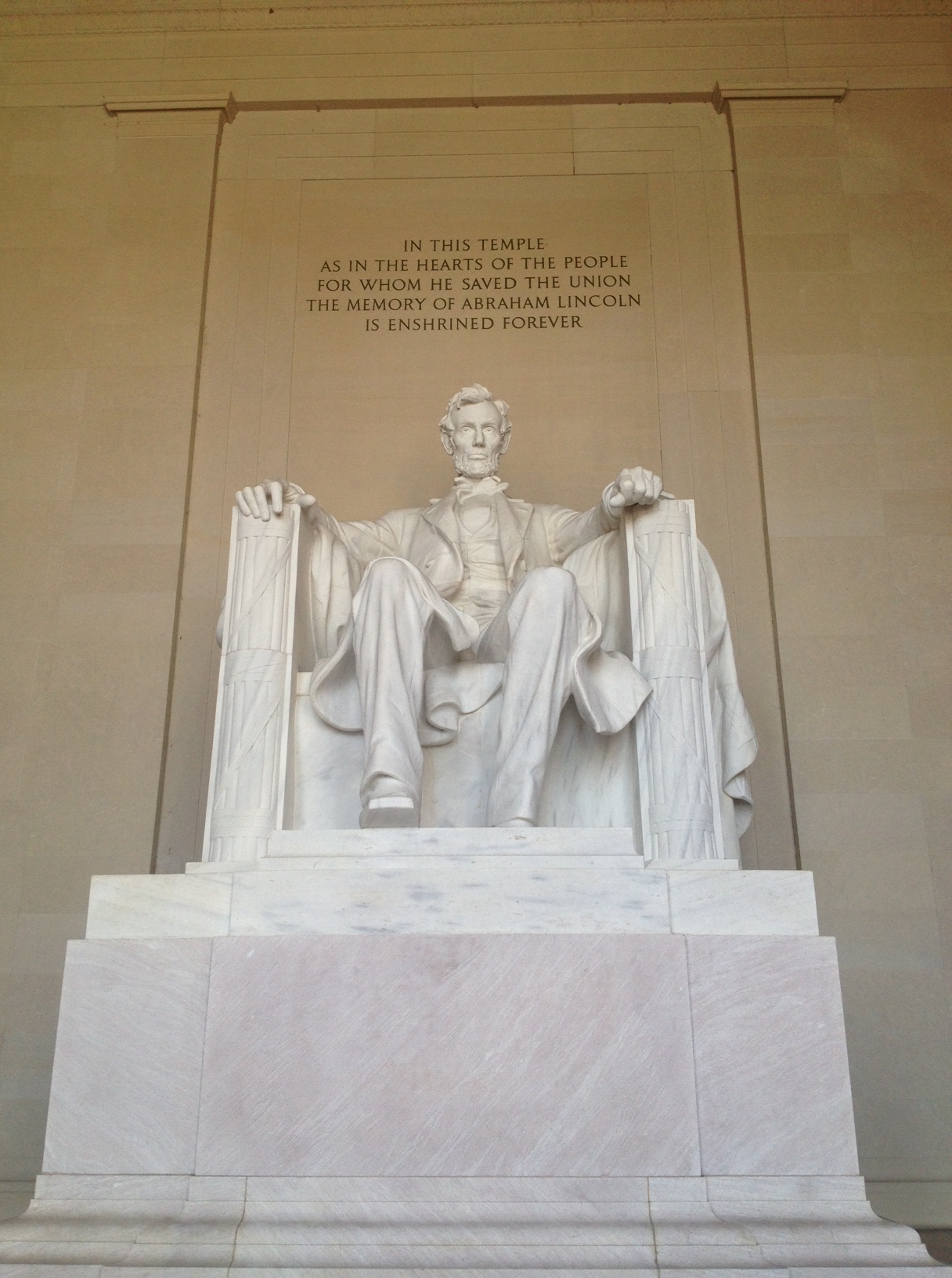 IPcopy attended a number of lectures at AIPLA last week which discussed areas of development or concern in US patent law. What follows are a few thoughts and observations. (more…)
A new ingredient in Chocolate: The Trade Mark
 In the post below IPcopy takes a quick look at some recent decisions in the world of chocolate and other types of confectionary on the topic of colour and 3D trade marks. The overview highlights some trends in EU jurisprudence on the distinctiveness requirement for the registrability and enforceability of such marks. Get ready to read about chocolate bunnies, jelly bears and many more.
European Divisional Applications – Rule 36 EPC, As You Were? (Updated)
 Updated with EPO confirmation & proposed amendments
As noted earlier on IPcopy, Rule 36 EPC, which was amended in 2010 to introduce 24 month time limits for filing divisional European patent applications from a parent European patent application, was made the subject of an EPO consultation. The consultation closed on 5 April 2013 but the EPO website has not yet been updated with any details of the responses received.
However, a number of sources (1, 2, 3) are now reporting that Rule 36 is to be amended from 1 April 2014 such that the 24 month deadline rule is removed and the procedure reverts back to the pre-April 2010 arrangements. So far there has been no official announcement from the EPO.
Patent Trolls – Crisis? What crisis?
 If you Google (other search engines are available!) the terms “patent troll” and “$29 billion” you’ll find a multitude of articles stating that patent trolls curb innovation and cost the U.S. $29 billion in 2011. You might be forgiven for concluding that there’s a big problem. You’d be right, though not for the reasons you might expect.
IPcopy’s Odds & Sods: Acronym soup – EPO/APAA/AIPLA
The EPO has launched a consultation to ensure the Case Law of the Boards of Appeal continues to meet the needs of users. The consultation runs for a while (closing date: 31 March 2014) and can be accessed here. The most recent version of the Case Law Book (the 7th version) has only just been released of course and can be found here.
Some acronym heavy overseas meetings next up:
1)  The Asian Patent Attorneys Association (APAA) 62nd Council Meeting is to be held in Hanoi, Vietnam from 19-22 October. Shakeel Ahmad and Dev Crease from Keltie LLP will be in attendance so if you see them please say hello. Details of the meeting can be found here.
 2) The American Intellectual Property Law Association (AIPLA) will be holding its 2013 AIPLA Annual Meeting from 24-26 October in Washington, D.C. Michael Moore and Mark Richardson from Keltie LLP will be going along and are looking forward to the conference. AIPLA has a twitter hashtag for the more social media minded attendees to use and the marketing material suggests we include the hashtag #aiplaAM13 to be a part of the conversation!
BBC’s Panorama & the Patent Box (IP – Hit or Miss?)
 In the last couple of weeks, in the context of the UK’s patent box tax regime, this ipcopywriter has twice heard mention of a Panorama programme that discussed the patent box. In both cases the opinion expressed of Auntie Beeb’s current affairs show was as low as a World Champion limbo dancer.
So what was wrong with the programme? IPcopy decided to investigate.
The Duffin Controversy: Fear not Bea – all is not lost!
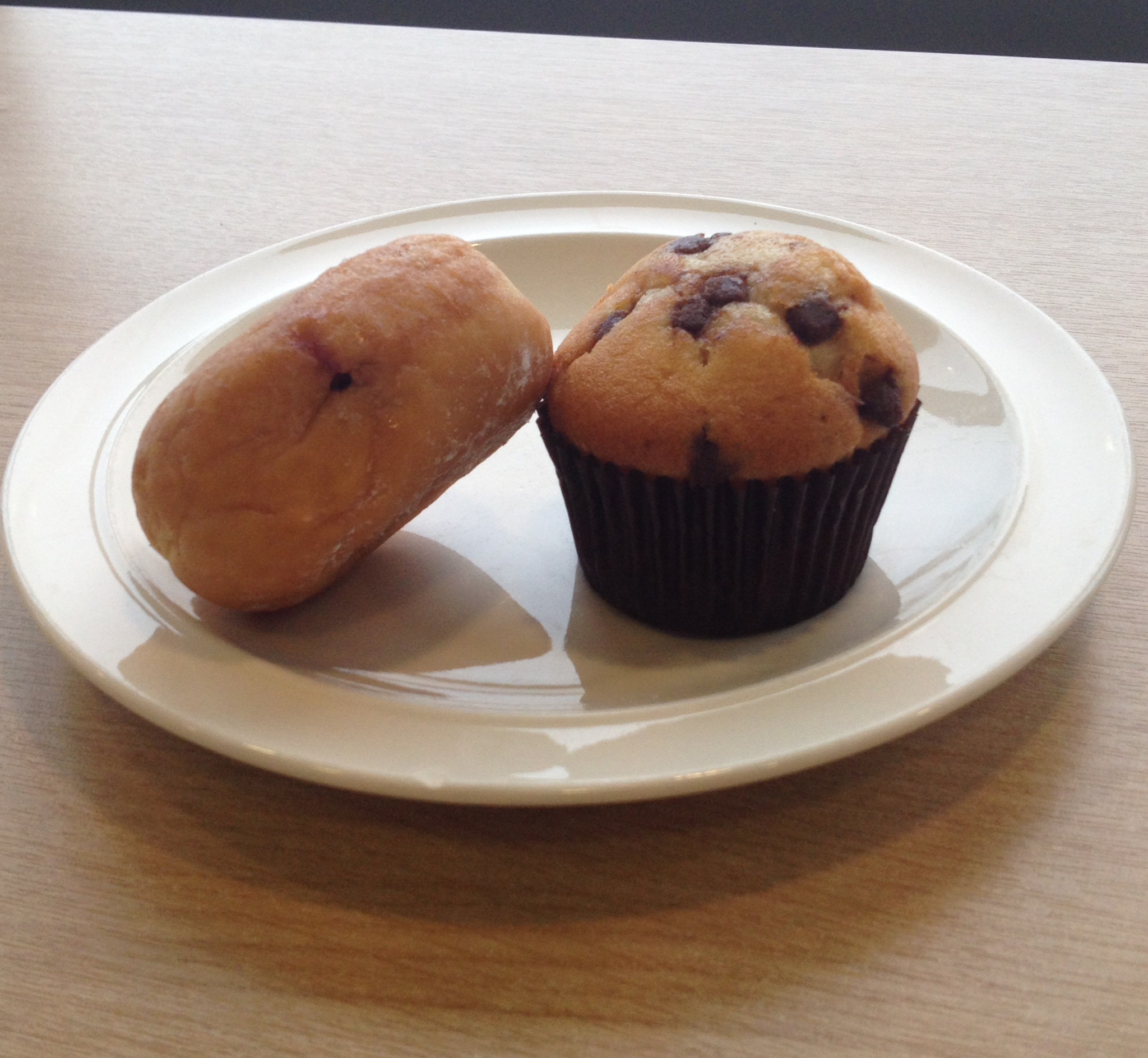
Proto-Duffin
As a lover of all things food-related, I was surprised this week to hear of a tasty baked good that hadn’t yet made it onto my radar – and a tasty baked good that has come to the world’s attention as the subject of an IP dispute, no less! What more could a girl ask for? Readers will probably already be aware of the ‘Duffin’ – the donut-muffin hybrid that has been made and gradually popularised by Bea’s of Bloomsbury since 2011, and that is now the subject of a trade mark registration by a company that supplies Starbucks (boo hiss taxes etc, etc).
Now, I’m no trade mark attorney – patents are more my bag – so if a contentious issue like this stumbled across my path, I’d be hailing down one of my esteemed trade mark colleagues to untangle it. But as it happens, I’ve spent most of this week committing as much trade mark law as possible to memory in preparation for professional exams, and this real-life example has served as excellent revision fodder.
A few basics of trademark law shed a lot of light onto this situation, and the real legal situation is rather different from the picture that might appear at first sight. Could big-bad Starbucks really stop Bea’s bakery, and others, from using the name Duffin? Well, purely as a self-training exercise, here’s my personal take on the situation.
The IP Bill and the “Chilling effect” of Clause 13 revisited
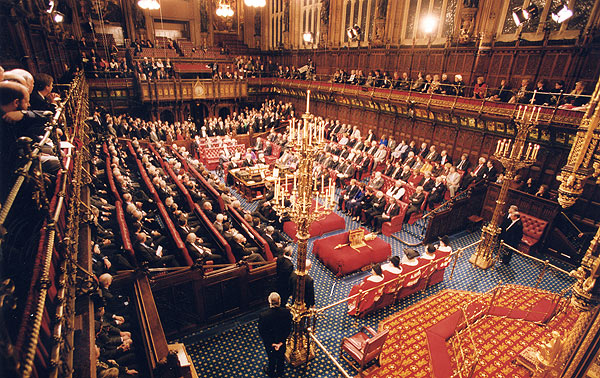
Parliamentary copyright images are reproduced with the permission of Parliament
In our previous series of articles on the IP Bill we looked at Clause 13 which seeks to introduce criminal provisions in respect of registered design infringement. This section of the Bill attracted a fair amount of discussion since it was felt in some (many?) quarters that the threat of criminal proceedings could be asserted via Clause 13 against designers which would have a “chilling effect” on the UK design industry.
As noted here, the IP Bill has now left the Lords on its way to the Commons and Clause 13 has been the subject of a massive amount of debate in the Lords and has been amended slightly during its passage through that House. So, what’s changed and why?
The Bridge Inspection Authority – the FTC and “Patent Trolls”
Everyone in the intellectual property community will be aware that the debate over the activity of “patent trolls” has lasted years, and has always contained plenty of heat and not a lot of light. The heat shows no sign of diminishing, as journalists realise that there’s an easy story to file in a day trip to Tyler or Beaumont to look at a corridor of brass plated doors with no-one behind them – but there are at least some attempts to shine a light under the bridge to see what these trolls really look like. The latest of these is the recently announced proposal for a collection of information by the Federal Trade Commission (the FTC).
There has been little unanimity on what a patent troll is – except than that no definition ever covers the commercial activity of whoever is making the definition. It has even been difficult to find a neutral generic term for such behaviour. We used to use NPE (“Non Practising Entity”), to distinguish patent owners only interested in licensing from patent holders who used patents to support their own commercial activity in selling products and services. This term fell out of use when it was appreciated that one class of NPEs is long established, generally respected, and considered by most to be behaving in an acceptable way with its stock of intellectual property – such NPEs are often known as “universities”.
Subscribe to RSS feed

 IPcopy